
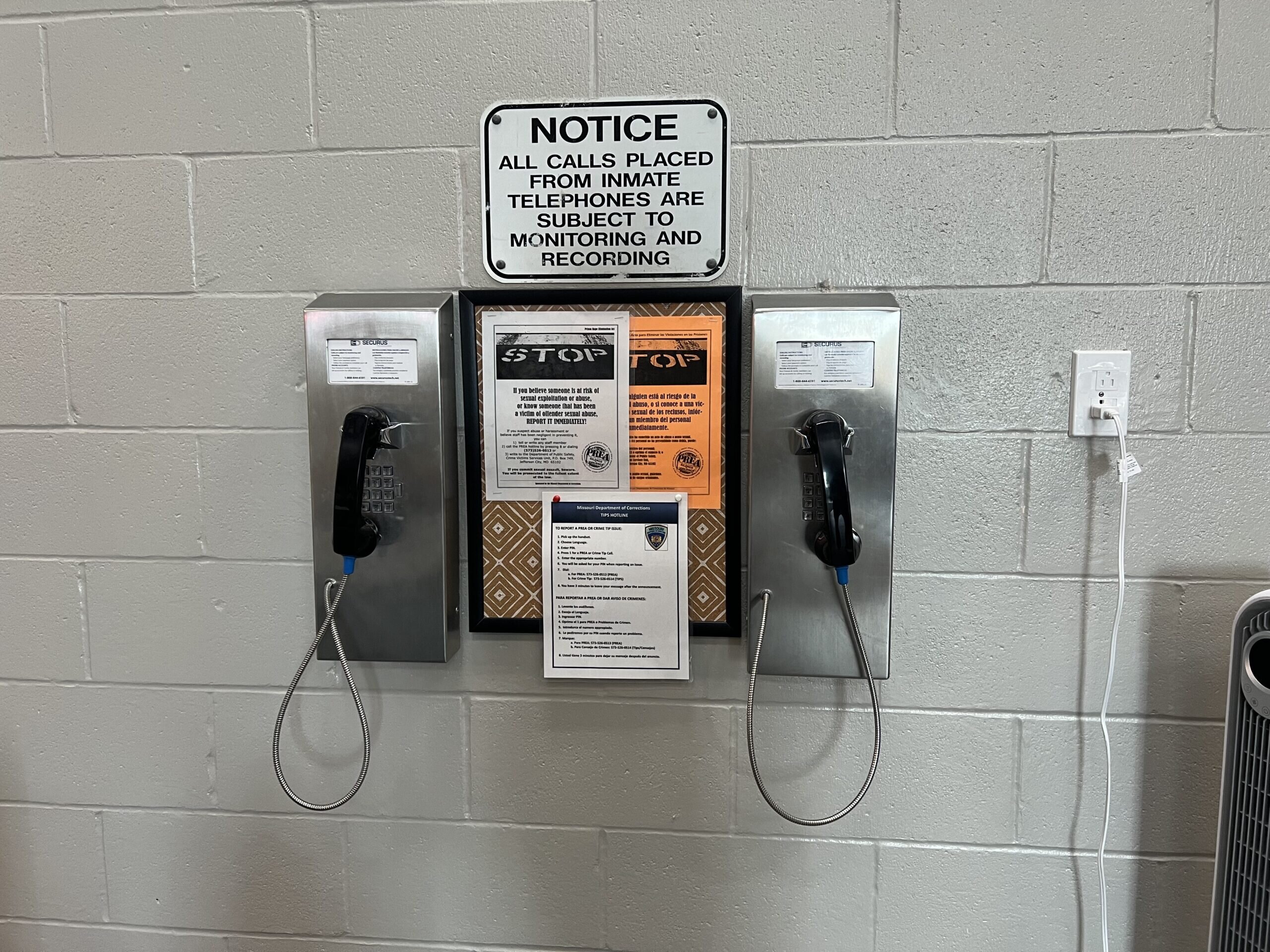
Can Jail Phone Calls Be Used Against You in Indiana?
After an arrest, calling someone you trust can feel like the first chance to explain what happened. You may want to reassure your family, straighten out a misunderstanding, or ask someone to help.
But an ordinary jail phone call is not a private conversation. You should assume it may be recorded and reviewed.
Yes, recorded jail phone calls can be used as evidence in an Indiana criminal case. Whether a particular recording is admissible depends on its contents, how it was obtained, and the applicable rules of evidence.
Here is what defendants and their families should understand before discussing a pending case over the phone.
You Do Not Have to Confess for a Call to Matter
A recording does not need to contain an obvious confession to become relevant.
A prosecutor may focus on statements about:
- Where you were when something happened.
- Who was with you.
- Whether you knew about particular property, drugs, or a weapon.
- What you said to someone before or after the alleged incident.
- Requests for another person to contact a witness.
Even a conversation intended to defend yourself can establish details the State may use against you.
For example, someone might deny committing an offense while acknowledging being at a location they previously said they never visited. That inconsistency—not a confession—could become the focus of the recording.
Aren’t Phone Conversations Hearsay?
Not necessarily.
Under Indiana Evidence Rule 801(d)(2)(A), a person’s own statement is not hearsay when it is offered against that person as an opposing party. In a criminal case, that rule may allow the prosecution to introduce the defendant’s recorded statements.
However, the rule does not automatically make every part of the conversation admissible. Statements made by the other person on the call require their own analysis. Other evidentiary requirements and objections may also apply.
The important point is that “I was not testifying in court” does not prevent your words from becoming evidence.
The State Still Has to Establish What the Recording Is
A recording does not become admissible simply because someone labels it a jail call.
Indiana Evidence Rule 901 requires sufficient evidence to support a finding that an item is what its proponent claims it is. For a recorded call, issues may include identifying the speakers and establishing the recording’s source.
An attorney reviewing the evidence may examine:
- How the recording is connected to the defendant.
- Whether the voices can be identified.
- Whether the audio is understandable.
- Whether a transcript accurately reflects the recording.
- Whether the portion being presented leaves out important context.
These questions do not guarantee exclusion. They are part of evaluating whether and how the recording may be used.
What if My Words Are Taken Out of Context?
Context can matter, especially when a short excerpt makes a longer conversation sound different.
Under Indiana Evidence Rule 106, when a party introduces part of a recorded statement, the opposing party may require other portions to be introduced at that time when fairness calls for considering them together.
That does not mean the entire recording automatically comes into evidence. It does mean your attorney should review the relevant conversation rather than rely only on a selected clip or transcript.
If you believe a recording is misleading, tell your attorney what is missing. Do not try to fix the situation by making another recorded call explaining the first one.
What About Calls With My Attorney?
Confidential communications with your attorney for legal advice are treated differently from ordinary calls to friends or family.
However, do not assume that dialing your attorney’s number through the regular jail phone system automatically makes the call confidential. Ask your attorney and the facility how confidential legal calls are arranged and what procedures must be followed.
Adding friends or relatives to a legal conversation can also create confidentiality issues. Discuss that with your attorney before involving anyone else.
What Should Family Members Do When Someone Calls From Jail?
You can offer support without asking for a detailed account of the allegations.
Keep ordinary calls focused on practical matters, such as locating counsel, organizing court paperwork, and handling household responsibilities. Avoid asking the person to explain what happened, identify witnesses, or respond to accusations.
Do not use the call to coordinate stories, pressure someone to change a statement, or arrange contact prohibited by a court order. If a no-contact order exists, routing a message through a family member may still violate its terms.
When case-related questions come up, save them for a properly arranged conversation with the attorney.
Already Discussed Your Case on a Recorded Call?
Tell your attorney promptly and honestly. Identify approximately when the call occurred, whom you spoke with, and what concerns you.
One conversation does not automatically determine the outcome of a case. The actual words, surrounding context, and other evidence matter. Early disclosure gives your attorney a better opportunity to evaluate the issue and prepare.
Do not ask anyone to delete related messages, change their account, or conceal evidence.
Discuss Your Indiana Criminal Case With an Attorney
A conversation meant to reassure your family can create questions you did not expect. Understanding how recorded statements may affect your case is part of preparing a defense.
Mo AlMahareeq Law represents people facing criminal charges in Indianapolis and throughout Indiana.
Schedule a free consultation by phone to discuss your situation and next steps.
Related Reading
- Police Want to Question Me in Indiana—Should I Talk to Them?
- Can a No-Contact Order Be Lifted in an Indiana Criminal Case?
This article provides general information, not legal advice. Jail procedures and individual circumstances vary.

Written by
Moawia K. AlMahareeq