
Can You Travel With a Pending Criminal Case in Indiana?
Can you leave Indiana or fly with pending criminal charges? Learn how bond conditions, court permission, and international travel rules affect your plans.
Read ArticleInsights & Updates

Can you leave Indiana or fly with pending criminal charges? Learn how bond conditions, court permission, and international travel rules affect your plans.
Read ArticleA license-plate camera may connect a vehicle to a location, but does it identify the driver? Learn how Flock camera evidence can be examined in an Indiana criminal case.
Read ArticleDisputed screenshots, altered photos, and deepfakes raise serious evidence questions. Learn how Indiana courts assess authentication and why original records matter.
Read ArticleIndiana criminalizes certain nonconsensual intimate-image distribution, including qualifying AI-created images. Learn the elements, penalties, and evidence that matter.
Read ArticleFacing a Halloween OWI, underage drinking, or public intoxication charge in Indiana? Learn the differences, under-21 driving rules, and what to do next.
Read ArticleDriving while suspended in Indiana can be an infraction, misdemeanor, or felony. Learn how prior violations, notice, and the reason for suspension affect your case.

Read ArticleLearn what counts as criminal trespass in Indiana, when it becomes a felony, and how permission, warnings, and property rights can affect your defense.
Read ArticleReckless driving in Indiana is more than a speeding ticket. Learn about misdemeanor penalties, license consequences, school-bus offenses, and possible defenses.
Read ArticleSleeping in a parked car does not automatically establish an Indiana OWI. Learn how courts evaluate operation, a running engine, and evidence of earlier driving.
Read ArticleBeing present is not automatically a crime. Learn how Indiana distinguishes mere presence from knowingly or intentionally helping someone commit an offense.
Read ArticleIndiana civil forfeiture can proceed without a criminal conviction. Learn about seized cash, the State’s burden of proof, deadlines, and your right to contest forfeiture.
Read ArticleIndiana can prosecute possession with intent to deliver without a completed sale. Learn how prosecutors try to prove intent and when drug weight alone is not enough.
Read ArticleCan an Indiana jury hear about your criminal record? Learn when prior acts and convictions may be admitted and how testifying can affect the analysis.
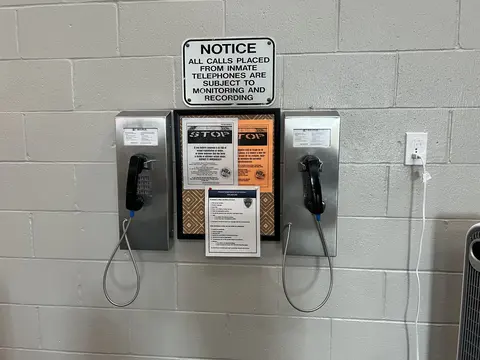
Read ArticleCan jail phone calls be used against you in Indiana? Learn how recorded calls may become evidence and what defendants and families should know.
Read ArticleLearn what Indiana Public Question #1 could change about bail, when the proposed amendment would take effect, and what SEA 2 would require for detention hearings.
Read ArticleDo you have to speak with Indiana police? Learn about voluntary interviews, Miranda warnings, requesting an attorney, and what to do when a detective contacts you.
Read ArticleLearn how Indiana criminal no-contact orders may be changed, why the protected person’s permission is not enough, and what to do about parenting or property concerns.
Read ArticleUnderstand cash and surety bonds, Indiana bail factors, bond-reduction requests, and why posting bond does not always mean immediate release.
Read ArticleMissing an Indiana criminal court date can lead to an arrest warrant, bond consequences, or a separate charge. Learn what to do next and why the reason you missed court matters.
Read ArticleSpecialized driving privileges may let eligible Indiana drivers get to work after an OWI. Learn about court orders, filing deadlines, restrictions, and chemical-test refusal.
Read ArticleSome Indiana Level 6 felonies can become Class A misdemeanors. Learn the three legal routes, eligibility limits, waiting period, and how reduction differs from expungement.
Read ArticleStrangulation is a felony in Indiana even when the alleged victim has no visible injury. Here is how Indiana Code 35-42-2-9 defines it, the Level 6 and Level 5 penalties, and the defenses that matter
Read ArticleCharged with a first OVWI in Indiana? Here are the real penalties: Class C vs. Class A misdemeanor, jail exposure, fines, the 180-day BMV suspension, and how specialized driving privileges work.
Read ArticleIndiana's Second Chance Law lets many people clear their records, but some convictions can never be expunged. Here is the full list under Indiana Code 35-38-9, and why your whole record matters.
Read ArticleLearn what happens after an alleged probation violation in Indiana, including hearings, failed drug tests, possible penalties, and your rights.
Read ArticleCriminal recklessness in Indiana: penalties, felony enhancements, examples, related charges, and common defenses.
Read ArticleFind the court handling your Indiana criminal case, check hearing details, and prepare for charges in Monroe, Vigo, Tippecanoe, and eight other counties.
Read ArticleLearn which Indiana crimes have no filing deadline, when a statute of limitations can be extended, and why the timeline matters in a criminal case.
Read ArticleLearn what a mistrial means in Indiana, why a judge may declare one, and what can happen next, including a new trial and criminal case deadlines.
Read ArticleLearn how criminal cases move through the Johnson County court system, including where charges are filed, what happens at the initial hearing, and what to expect as your case progresses.
Read ArticleMo AlMahareeq defends clients in Hendricks County, Indiana. This introduction explains how criminal charges move through the county's courts, what happens at an initial hearing, and what to expect as your case progresses.
Read ArticleFacing a criminal charge in Hamilton County, Indiana, is stressful, but understanding the process can ease some of that anxiety and help you prepare for what's ahead. Here is what to expect from arrest through resolution.
Read ArticleGetting arrested for the first time can feel like your world is crashing down. Whether your arrest happened in Marion County or a surrounding Indiana county, this guide explains what to expect, possible alternatives to conviction, and why early legal help matters.
Read ArticleIf you're applying for a job, an apartment, or a professional license in Indiana, one question probably keeps coming back: is that misdemeanor going to show up? The short answer is yes — in most cases, a misdemeanor conviction appears on an Indiana background check, and it doesn't fall off on its own.
Read ArticleIndiana law defines resisting law enforcement — commonly called resisting arrest — in Indiana Code 35-44.1-3. Depending on the circumstances, it can be charged as a misdemeanor or a felony with mandatory minimum sentences. Here is how the charge works, when it becomes a felony, and the defenses built into the statute.
Read ArticleDrug possession charges are serious criminal offenses. A conviction for possession of a controlled substance in Indiana can result in a lengthy prison sentence, hefty fines, and lasting consequences for your career and reputation. Here is how Indiana classifies controlled substances, how possession charges work, and the penalties they carry.
Read ArticleAre you facing criminal charges and preparing to hire a defense attorney for the first time? With your freedom and reputation on the line, choosing the right lawyer can feel overwhelming. Here are five things to consider when hiring an Indianapolis criminal defense attorney.
Read ArticleA domestic violence charge is not a conviction, and not every domestic violence case in Indiana ends in one. Cases get dismissed — because the evidence doesn't hold up, because procedures weren't followed, because the state can't carry its burden. Here is what actually drives those dismissals, and the alternatives when outright dismissal isn't realistic.
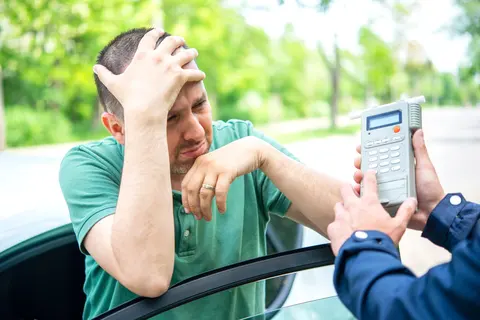
Read ArticleThe moment an OWI arrest happens in Indiana, two separate legal clocks start ticking. One governs the criminal case. The other governs a BMV administrative action against your driver's license. Here is what Indiana actually charges you with after a drunk driving arrest — and why acting quickly on both tracks matters.
Read ArticleUnder Indiana Code 35-43-4-2, theft occurs when someone knowingly or intentionally takes unauthorized control of another person's property while intending to deprive that person of the property's value or use. Here is what qualifies as misdemeanor and felony theft in Indiana — and the penalties each carries.
Read ArticleEvidence is any item or information a party presents to establish that a fact is more or less likely to be true. Broadly speaking, all evidence falls into one of two categories: direct or circumstantial. If you are facing criminal charges, understanding the difference between these two types of evidence is essential.
Read ArticleAmong the essential tools in every defense lawyer's arsenal is the Motion to Suppress. Through this motion, an attorney asks the court to exclude specific evidence from trial because it was obtained in violation of the defendant's constitutional rights.
Read ArticleMurder and manslaughter are both serious offenses under Indiana law, but each carries its own legal definition, consequences, and range of penalties. Here is how Indiana defines murder, voluntary manslaughter, and involuntary manslaughter — and what penalties each charge carries.
Read ArticleIt is often said that accusations, alone, are enough to change a life — nothing shows that more than a charge of Rape. All too often people don't really know the intricacies of the charge itself and what it takes to prove it, let alone the ramifications. Here is how Indiana defines the crime of Rape, the different felony levels, and the consequences of a conviction.
Read ArticleAffirmative defenses are a type of defense where the defendant would argue that they did commit the criminal action, but they are not responsible for the charged crime. From insanity and self-defense to entrapment and necessity, here are the affirmative defenses recognized in Indiana.
Read ArticleDrug dealing charges in Indiana carry some of the most severe penalties in the criminal code — a conviction can mean up to 30 years in prison. The level of felony depends on the type of drug and the amount involved. Here is how Indiana classifies dealing cocaine, narcotics, marijuana, meth, and scheduled drugs.
Read ArticleOn July 1, dozens of Indiana laws from the 2026 legislative session go into effect. While Hoosiers won't immediately feel the impact of some, others — like the criminalization of street camping and a full-day cell phone ban in schools — will be felt right away. Here is a rundown of the key new laws.
Read ArticleYes — Indiana treats driving under the influence of marijuana as a serious offense, even on a first charge. But a 2021 statutory defense and the limits of THC testing mean a positive test does not automatically mean a conviction. Here is how marijuana OWI/DUI law works in Indiana and the defenses that may apply.
Read ArticleIndiana does not recognize assault as a standalone crime. Instead, threats are prosecuted as intimidation under Indiana Code 35-45-2-1, which can range from a Class A misdemeanor to a Level 5 felony depending on the nature of the threat and who it targets. Here is what the law covers and the defenses that may apply.
Read ArticleIndividuals deemed serious violent offenders in Indiana are prohibited from possessing firearms and can be charged with a Level 4 felony if found with one. Understanding who falls under this classification — and what penalties and expungement options exist — is critical before facing such a charge.
Read ArticleOne of the most common questions about criminal procedure is whether police are required to read your Miranda rights in Indiana. The answer is more nuanced than most people expect and depends heavily on the circumstances of an arrest and any interrogation that follows.
Read ArticleMost people have heard the term "search warrant," but few understand what it actually takes for police to obtain one. This post breaks down the legal requirements and process — knowledge that matters both to law enforcement and to anyone facing a criminal investigation.
Read ArticleSolicitation of prostitution is a serious criminal offense in Indiana. If you're facing such a charge — or simply want to understand what the law involves — knowing how these statutes work can make a meaningful difference. This post breaks down the offense, its key elements, who can be charged, and what consequences you may face.
Read ArticleWhen someone is charged with a crime in Indiana, their case usually enters the traditional adversarial court system — but that isn't the only option. This post explains Indiana's alternative or "problem-solving" courts, who qualifies, how widespread they are, and how the screening process works.
Read ArticleLiving with a roommate who uses, deals, or possesses illegal drugs doesn't automatically put you in legal jeopardy — but the answer isn't always simple. This post explains constructive possession in Indiana, the six factors courts weigh, and when drugs in a shared home or car can lead to charges against you.
Read ArticleMany people have heard of depositions but are unfamiliar with what they involve, why they happen, and what is expected of them when subpoenaed for one. This post explains the purpose of depositions in Indiana criminal cases — how they work, why they matter, and when they can help or hurt a defendant.
Read ArticleMoving to another state while on Indiana's sex offender registry carries real risk. A 10-year registration term in Indiana does not automatically carry over — the new state evaluates the underlying conviction and applies its own rules, which can mean lifetime registration. This post explains how that happens and what to do before you go.
Read ArticleIndiana's Romeo and Juliet law protects teenagers in consensual, close-in-age relationships from disproportionate criminal consequences. This post breaks down how Indiana Code §35-42-4-9 works, who qualifies for the close-in-age defense, the age of consent, and how courts apply this protection in sex-based criminal cases.
Read ArticleLaw enforcement uses several tools to detect and prosecute impaired drivers, and two appear in nearly every Indiana DUI case: certified chemical tests and portable breath tests (PBTs). Both measure blood alcohol concentration, but they serve different purposes, carry different legal weight, and present different challenges for the defense.
Read ArticleHarassment can qualify as a felony in Indiana, though many cases begin as misdemeanors. This post breaks down how Indiana Code 35-45-10-2 defines harassment, what conduct typically triggers charges, the penalties at each level, and the defenses that often turn on whether contact actually crossed from unwanted into legally impermissible.
Read ArticleIndiana law treats robbery and burglary as distinct offenses with different elements, penalties, and defense strategies. This post breaks down how each charge is defined under the Indiana Code, the felony levels and enhancements that apply, and why early classification matters for plea leverage, sentencing exposure, and trial preparation.
Read ArticleIn nearly any civil or criminal case, you have the right to a trial — and one of the most consequential decisions you will make is whether that trial is heard by a judge or a jury. This post breaks down when each option tends to favor a defendant and why the choice should always be made with experienced counsel.
Read ArticlePerjury is a Level 6 felony in Indiana. This post explains how the offense is defined under Indiana Code § 35-44.1-2-1, what prosecutors must prove, the penalties involved, and how witness immunity and Fifth Amendment rights factor into testimony given under oath.
Read ArticleIndiana does not directly ban carrying prescription drugs outside their original bottle, but loose or unlabeled pills can quickly raise suspicion during a traffic stop. Here is what the law actually says, the practical risks, and how to protect yourself if you use a pill organizer or travel with medication.
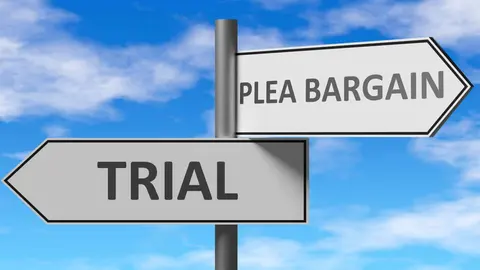
Read ArticleMost Indiana criminal cases end through negotiation, not trial. Here is a clear plea bargain definition, how the process works in Indiana courts, the benefits and risks, and why experienced defense counsel matters during plea negotiations.
Read ArticleDomestic battery is one of Indiana's most frequently charged offenses, but it is often misunderstood. The statute reaches a wide range of relationships, and prosecutors have multiple paths to enhance the charge from misdemeanor to felony.
Read ArticleA felony conviction can affect nearly every part of your life — from employment to housing. In Indiana, how long it stays on your record depends on the offense and whether you pursue expungement or sealing.
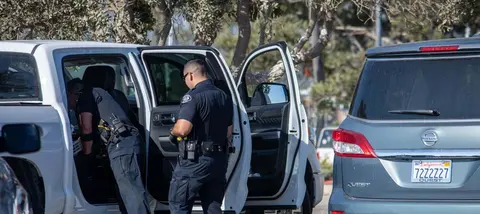
Read ArticleIn Indiana, law enforcement officers generally need probable cause, valid consent, or a recognized exception to the warrant requirement to lawfully search a vehicle.
Read ArticleDiscovery in Indiana criminal law refers to the formal exchange of evidence between the prosecution and the defense before trial.
Read ArticleMany people who are not familiar with the criminal justice system have a common misconception about what qualifies as "evidence."
Read Article