
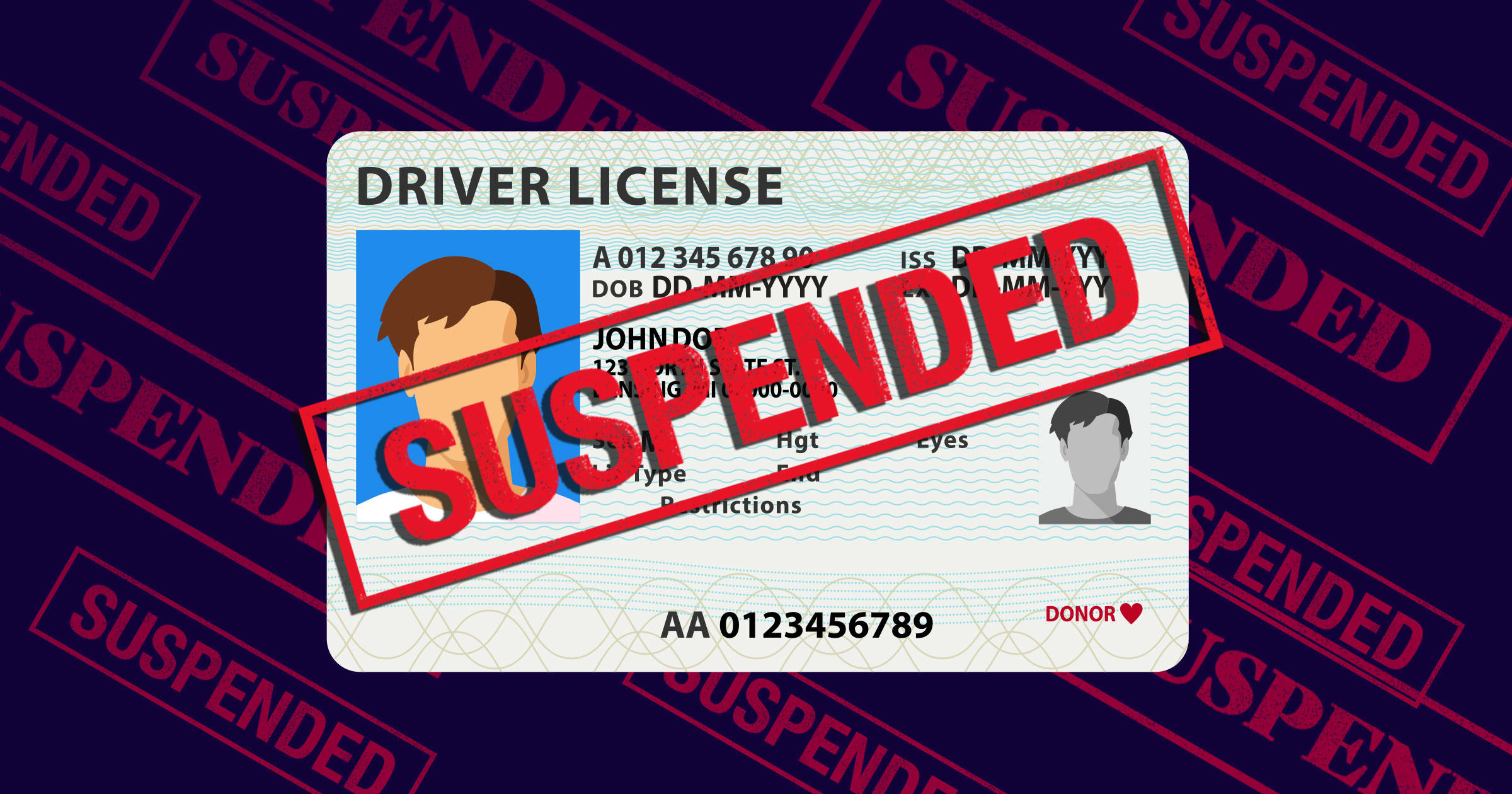
Driving While Suspended in Indiana: When Is It a Criminal Charge?
A traffic stop for driving with a suspended license in Indiana can lead to more than another ticket. Depending on your driving record, the reason for the suspension, and what happened during the incident, you could face an infraction, a misdemeanor, or—in certain circumstances—a felony.
Not every driving-while-suspended case is criminal. Understanding the exact charge is the first step toward addressing both the court case and your ability to drive legally.
Is Driving While Suspended a Misdemeanor in Indiana?
Under Indiana Code 9-24-19-1, operating a motor vehicle on a highway while your driving privileges, license, or permit are suspended or revoked generally constitutes a Class A infraction, unless a more serious provision applies.
An infraction is not a criminal conviction and does not carry a jail sentence by itself. However, Indiana law identifies circumstances in which driving while suspended becomes a criminal offense.
A Prior Driving-While-Suspended Judgment
Under Indiana Code 9-24-19-2, a person commits a Class A misdemeanor when the person:
- Knows their driving privileges, license, or permit are suspended or revoked; and
- Drives on a highway less than ten years after a judgment for a qualifying prior, unrelated driving-while-suspended violation.
The prior case does not necessarily need to have been a criminal conviction. A qualifying prior infraction judgment can support the misdemeanor charge.
That distinction matters. Someone who remembers an earlier case as “just a ticket” may still face criminal charges after another stop.
A Suspension Resulting From a Criminal Conviction
Under Indiana Code 9-24-19-3, knowingly driving on a highway while suspended or revoked because of a criminal conviction is also a Class A misdemeanor.
This is a separate basis for a criminal charge. The State does not necessarily need the prior driving-while-suspended judgment described above.
The underlying reason for the suspension must therefore be examined—not simply whether the BMV record says “suspended.”
What Are the Penalties?
A Class A misdemeanor carries a potential sentence of:
- Up to one year in jail; and
- A fine of up to $5,000.
Those are statutory maximums, not a prediction of the sentence in a particular case. Your record, the evidence, and the available resolution options all matter.
More serious charges can arise under the conviction-related suspension provision. If the operation of the vehicle results in bodily injury, the offense can become a Level 6 felony. If it results in another person’s death or catastrophic injury, it can become a Level 5 felony.
Driving under a habitual-traffic-violator suspension or after certain forfeitures of driving privileges involves separate statutes. Do not assume every suspended-license case falls under the same rules.
What if You Did Not Know Your License Was Suspended?
Knowledge is an important element of the misdemeanor offenses described above. But saying “I never received the letter” does not automatically defeat the charge.
Under Indiana Code 9-24-19-8, the BMV’s mailing of a suspension notice to the last address in its records can establish a rebuttable presumption that the driver knew about the suspension. Electronic notice can also establish that presumption when the driver has elected electronic notices.
A rebuttable presumption can be challenged. An attorney may need to examine:
- The notice the BMV issued;
- Where and how it was sent;
- The effective dates of the suspension;
- Your driving record and prior court proceedings; and
- Other evidence relevant to whether you knew about the suspension.
The absence of a paper letter in your possession is not the same as the absence of legally sufficient notice.
Will Getting Your License Reinstated Make the Charge Go Away?
Reinstatement does not automatically erase an earlier violation.
The court case concerns your status and conduct on the date you allegedly drove. Correcting the suspension afterward does not change those historical facts.
However, resolving reinstatement requirements may still be useful when an attorney evaluates negotiations or sentencing. It also helps prevent another stop from creating another case.
Keep documentation of completed requirements, payments, insurance filings, and any reinstatement confirmation. Do not assume paying one fee resolves every suspension on your record.
Can You Drive to Work While Your License Is Suspended?
Needing transportation for work does not, by itself, authorize driving.
Some drivers may qualify for specialized driving privileges, but eligibility depends on the suspension and other legal requirements. Any order allowing limited driving must be obtained before relying on it, and the driver must follow its restrictions.
A pending request is not permission to drive. Neither is an employer’s letter stating that you need a vehicle for your job.
How Can a Driving-While-Suspended Charge Be Defended?
The defense depends on the subsection charged and the evidence. Issues may include:
- Whether the suspension was actually in effect;
- Whether the State can establish the required knowledge;
- Whether a prior judgment qualifies for the charged enhancement;
- Whether the suspension resulted from a qualifying conviction;
- Whether the accused person was operating the vehicle; and
- Whether the stop or other evidence presents a legal issue.
A useful review addresses both the criminal allegation and the underlying license problem. Resolving one does not necessarily resolve the other.
Talk With an Indiana Criminal Defense Attorney
If you have been charged with driving while suspended in Indianapolis or elsewhere in Indiana, gather your citation, court paperwork, BMV record, and suspension notices.
Contact Mo AlMahareeq Law for a free 15-minute phone consultation to discuss the charge, your driving status, and the next steps.
Legal sources: Indiana Code 9-24-19; Indiana Code 35-50-3.
This article provides general information, not legal advice for a particular case.

Written by
Moawia K. AlMahareeq