
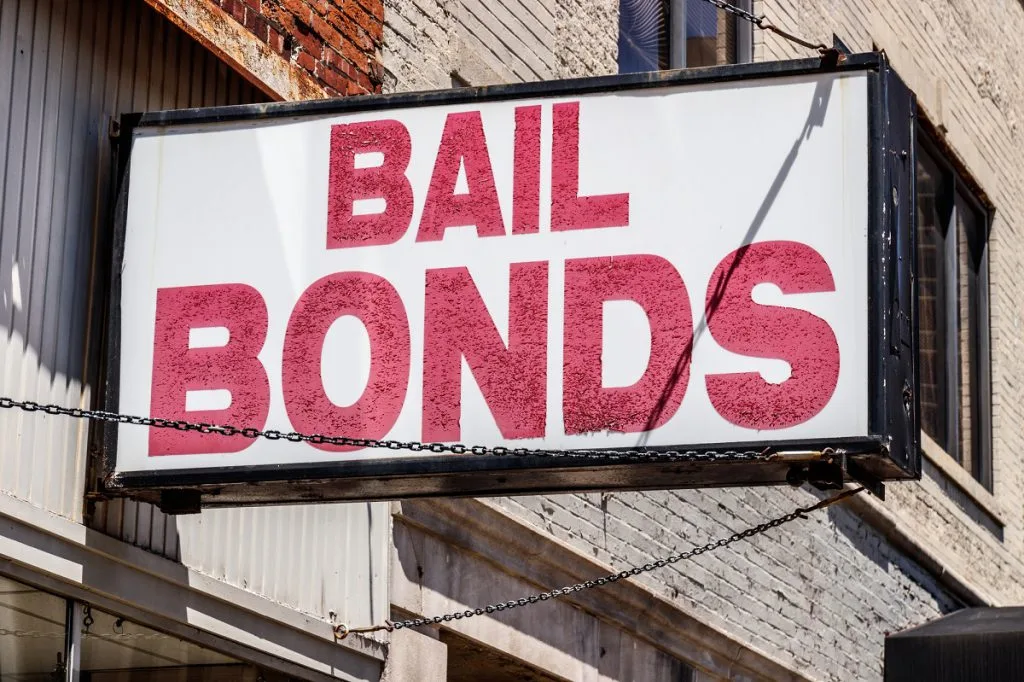
How Does Bail Work in Indiana, and Can My Bond Be Reduced?
When someone is arrested, their family often wants to know two things: how soon they can come home and how much money it will take.
In Indiana, the answer depends on more than the charge alone. The court may consider the person’s history, likelihood of appearing in court, safety concerns, and other circumstances. A bond reduction may be possible, but it is not automatic simply because the original amount is unaffordable.
This article reflects the law in effect in October 2026. Indiana’s published code includes additional bail changes scheduled for January 1, 2027; the law in effect when a court acts must be checked.
What Is Bail Supposed to Accomplish?
Bail concerns release while a criminal case is pending. It is not a finding of guilt or payment that resolves the charge.
Indiana law addresses both court attendance and safety. Under Indiana Code section 35-33-8-4, bail may not exceed the amount reasonably required to assure appearance or, when the required evidentiary showing is made, protect another person or the community.
Release may involve money, nonfinancial conditions, or both.
Does Everyone Have to Pay Money to Be Released?
No. Depending on the circumstances, a court may release a person on personal recognizance or impose conditions without requiring a cash payment.
Indiana Code section 35-33-8-3.8 requires courts to consider available pretrial risk-assessment results. Under the version in effect in October 2026, courts must consider release without money bail or surety for certain people who do not present a substantial risk of flight or danger, subject to statutory exceptions.
That is not a guarantee of release without payment. The charge, other pending cases, supervision status, and applicable law can affect the decision.
What Is the Difference Between Cash Bond and Surety Bond?
The court’s order determines which options are available.
- Cash bond: Money is deposited with the court in the required amount.
- Percentage-deposit bond: When authorized, the court permits a specified portion of the bond to be deposited.
- Surety bond: A licensed bail agent arranges a bond through a surety, typically in exchange for a premium and potentially other contractual obligations.
A cash deposit with the court is not the same as a fee paid to a bail agent. Do not assume either payment will be returned in full.
Court deposits may be subject to deductions, court orders, or forfeiture. A bail-agent premium is generally nonrefundable. Review the paperwork and confirm the terms before paying.
What Factors Affect the Amount of Bail?
Indiana Code section 35-33-8-4 identifies factors relevant to the risk of nonappearance, including:
- Residence and ties to the community.
- Employment history and ability to post bail.
- Family relationships.
- Criminal history and prior failures to appear.
- The seriousness of the charge and potential penalty.
- Other facts bearing on whether the person will comply with the court’s authority.
Safety concerns and available risk-assessment information also matter. A bond hearing should address the individual circumstances rather than rely only on a general claim that the amount is too high.
How Can a Lawyer Request a Bond Reduction?
Indiana Code section 35-33-8-5 permits a request to alter bail upon a showing of good cause. For a reduction, the statute addresses additional evidence of substantial mitigating factors indicating that the defendant recognizes the court’s authority to bring them to trial.
Useful supporting information may include:
- Verified employment and a stable release address.
- A record of attending previous court dates.
- Reliable transportation to court.
- Documentation of financial circumstances.
- A workable plan for complying with appropriate supervision conditions.
The statute also limits reductions when the court makes specified safety findings. An attorney should evaluate both the supporting evidence and the issues the prosecutor may raise.
A motion is a request—not a promise of a lower bond or immediate release. Learn about criminal defense representation in Indianapolis.
Does Posting Bond Mean the Person Will Be Released Immediately?
Not necessarily. Another warrant, a separate hold, a required detention period, or an unresolved release condition may delay or prevent release.
Before paying, confirm the bond requirements and whether other holds exist through the appropriate jail, clerk, or attorney. Do not assume that resolving one case’s bond resolves every reason a person is being held.
What Happens After Release?
The defendant must follow the court’s conditions. These may include appearing for hearings, complying with no-contact orders, reporting to pretrial services, and following any specifically imposed travel or monitoring restrictions.
Violations may result in additional restrictions, forfeiture, or revocation of release. If a condition creates a genuine problem, seek a court-approved change rather than ignoring it.
If you or a family member needs help understanding bail or requesting a bond reduction in Indiana, contact Mo Almahareeq Law to request a [free 15-minute phone consultation](/free-consultation).
Legal References
Indiana Code, Chapter 35-33-8, particularly sections 3.2, 3.8, 4, and 5; Indiana Pretrial Services Rules, Section 12.
This article provides general information, not legal advice for a particular case. Reading it or requesting a consultation does not by itself create an attorney-client relationship.

Written by
Moawia K. AlMahareeq