
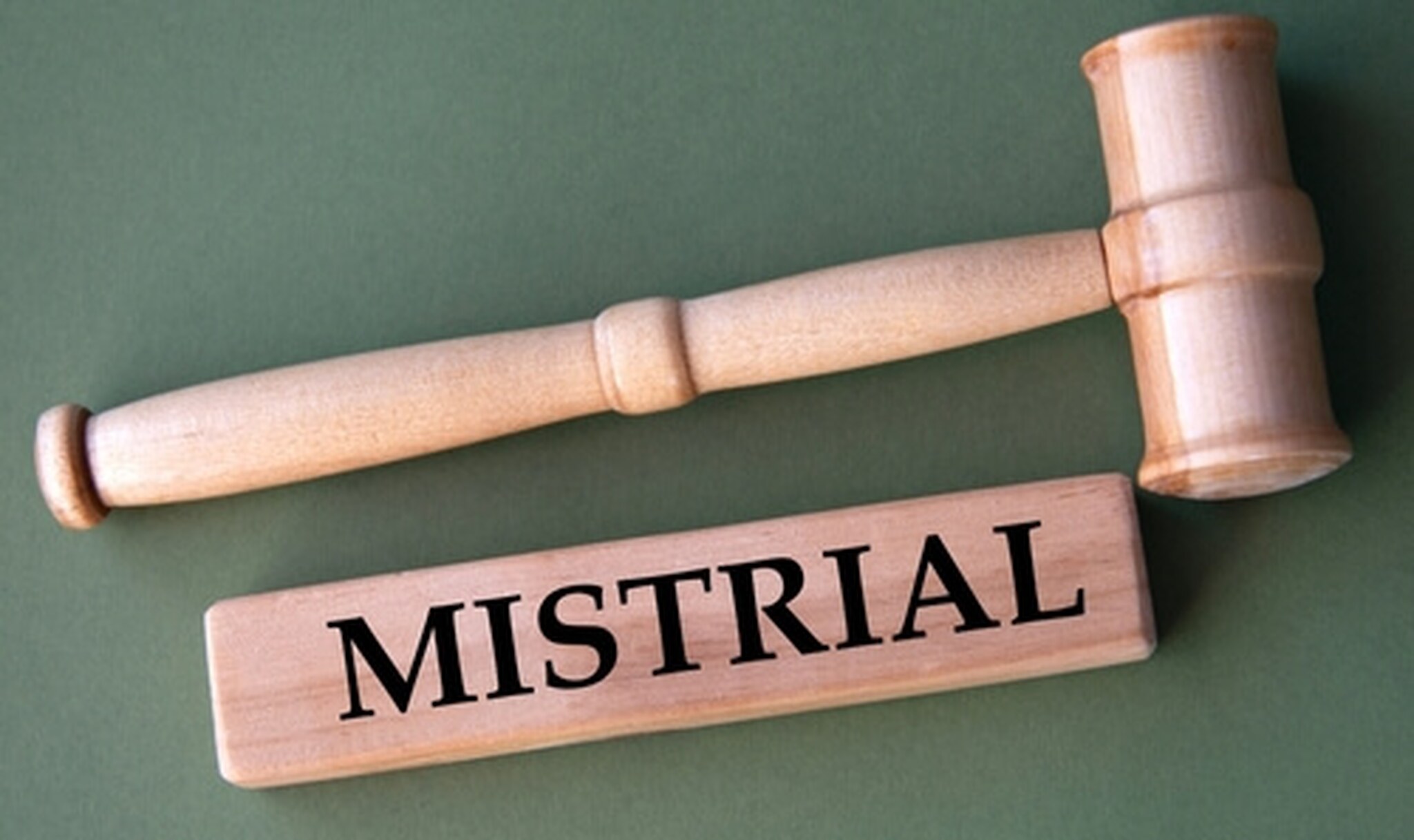
At this point, most people have heard about the Lindsay Clancy trial. As you may have heard, it ended in a mistrial. So, what exactly is a mistrial? What it boils down to is that a mistrial is a trial that could not be completed for some reason. It is then essentially stopped and rescheduled. For more on the legal issues discussed here, see our Indiana criminal defense overview and Should I Want a Bench Trial or a Jury Trial in Indiana? guide.
When Can a Mistrial Occur?
A mistrial can happen for a few reasons. A common reason for a mistrial is that an attorney or witness brings something up in front of the jury that they are not allowed to discuss in front of them. Perhaps a witness brings up prior convictions or actions of the Defendant that they were already ordered not to discuss. Perhaps an attorney makes an argument that would unduly influence the jury. Sometimes a juror may discuss something that they saw about the case on the news or heard from someone else with the rest of the jury. When that happens, the rest of the jury may become tainted and consider evidence or information that was not introduced at the trial, which could have an adverse impact on the Defendant or the State. If a juror is alleged to have tainted the jury by providing additional information outside of the evidence from the trial, the Defense can move for a mistrial, and the Judge may even have to interview the jurors.
A Judge can also order a mistrial if the judge, an attorney, a key witness, or someone else essential to the case becomes unavailable — whether through sickness, death, or some other emergency. Sometimes these things happen, and there is little that can be done to avoid it. In this instance, a Judge may simply pause the current trial and resume at a later date; sometimes the Judge can order the mistrial.
A Judge can also order a mistrial when it is clear that the jury will not come to an agreement on the case and that no further deliberations will resolve that issue. A jury must come to a unanimous decision in a criminal case. Even in a situation where eleven of the twelve jurors agree but one does not, this can cause a mistrial. If hours, days, or even weeks have passed without a consensus decision as to the guilt or innocence of the Defendant, the Judge may feel that no additional time will really make a difference and that a new trial will be ordered. This appears to be what happened in the Lindsay Clancy trial.
What Happens After a Mistrial?
When a Judge orders a mistrial, a new trial will be scheduled. Sometimes the State and the Defense can use that time to work out any potential issues for the next trial or reach an agreement to resolve the entire case. A mistrial can sometimes allow the State and Defendant to see exactly what evidence and arguments will be made by the other side, leading to a greater understanding of the strengths and weaknesses of the other side's case. Sometimes prosecutors will come back after a mistrial knowing their case may be weaker than expected, or they may see that the Defense now knows their arguments, so they may present a more favorable plea to the Defense after a mistrial. For more on that choice, read about plea bargaining in Indiana criminal cases.
There is a situation where a Court would not order a new trial. If a prosecutor sees that a trial is going poorly, then deliberately acts in a manner to cause a mistrial so they can have a second chance at another trial, the Court will not allow a new trial to occur.
In Indiana, Defendants have a right to be tried within a certain time frame by the State. This is governed by Indiana Criminal Rule 4. Typically, the State has one year to bring a case to trial. This can be shortened if you request a speedy trial. If you have a trial that results in a mistrial, and then have a second trial scheduled, that time will not count against the State. Instead, a new timeline calculation will start, since you technically were already brought to trial under those prior time constraints.
Call Mo Today!
The best way to avoid a mistrial is to make sure you have an attorney who understands trial procedure, who has experience litigating in trials, who has experience on both sides of the courtroom, and who is as prepared as possible to prevent any potential errors from occurring. If you have an upcoming trial or a criminal case you would like to discuss further, please do not hesitate to contact Mo AlMahareeq Law at (347) 889-4944 to see if we can help.

Written by
Moawia K. AlMahareeq