
What is the Difference Between Direct and Circumstantial Evidence in Indiana?
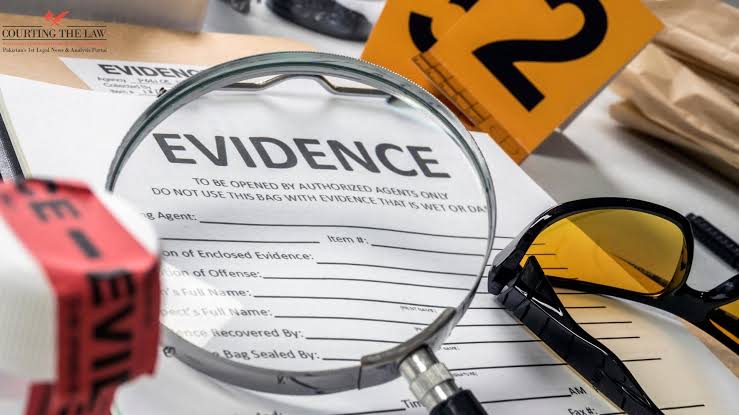
Evidence is any item or information a party presents to establish that a fact is more or less likely to be true. If it tends to make a legally relevant fact more or less probable than it would be otherwise, it is considered relevant—and therefore admissible. Evidence takes many forms, including photographs, witness testimony, victims' first-hand statements, documents, confessions, DNA test results, and video footage. Broadly speaking, however, all evidence falls into one of two categories: direct or circumstantial. For more on the legal issues discussed here, see our Indiana criminal defense overview and How Much Evidence is Needed to Charge Me with a Crime? guide.
In criminal cases, the prosecution bears the burden of proving the defendant's guilt beyond a reasonable doubt, and it may rely on both direct and circumstantial evidence to do so. If you are facing criminal charges, understanding the difference between these two types of evidence is essential. Below, we explain how they differ.
Direct Evidence:
As the name suggests, direct evidence directly and conclusively establishes a fact. It is based on personal knowledge or firsthand observation, meaning no inferences or conclusions need to be drawn — the evidence speaks for itself.
Examples of direct evidence in a criminal case include:
- Eyewitness testimony
- Video or audio recordings of the crime
- A confession made by the defendant
Despite its strength, direct evidence is not unassailable. An experienced defense attorney can impeach a witness or challenge the accuracy of their testimony — for instance, by cross-examining the witness or presenting evidence that casts doubt on the prosecution witness's account.
That said, keep in mind that the more direct evidence the prosecution has, the stronger its case will be.
Circumstantial Evidence:
Circumstantial evidence, also called indirect evidence, establishes facts from which an inference must be drawn to reach the ultimate conclusion. This sets it apart from direct evidence, which requires no such inference.
Circumstantial evidence most often takes the form of physical evidence connecting the defendant to the crime scene. However, it can also include scientific evidence, evidence of human behavior, and indirect witness testimony.
While circumstantial evidence is generally not as strong as direct evidence, it should not be underestimated. If the prosecution can weave indirect evidence into a coherent story that connects the right dots, jurors may infer that the prosecution's version of events is the correct one. When that happens, a defendant can be convicted without a single piece of direct evidence.
Fortunately, a defense attorney can reframe the narrative the prosecutor is building. A skilled attorney can show the jury that the same circumstantial evidence supports other, equally plausible conclusions.
Call Mo Today!
Whether you are convicted ultimately depends on how a jury interprets the evidence the prosecution presents. Don't risk handling your criminal case alone. Mo can defend you against both direct and circumstantial evidence. Call Mo today at (347) 889-4944 or schedule your free consultation.

Written by
Moawia K. AlMahareeq