
What is the Difference Between Certified Chemical Tests and PBTs in Indiana DUI Cases?
Law enforcement uses several tools to detect and prosecute impaired drivers, and two appear in nearly every DUI case: certified chemical tests and portable breath tests (PBTs). Both measure blood alcohol concentration, but they serve different purposes, carry different legal weight, and present different challenges for the defense. For more on the legal issues discussed here, see our DUI and OWI defense overview and What Happens After a DUI Arrest in Indiana? guide.
__Key Features of Certified Chemical Tests__
1.Accuracy: Certified chemical tests are highly accurate when administered properly by trained professionals. They provide precise measurements of BAC, which can be crucial in determining a person's level of impairment.
2.Legally Binding: The results of certified chemical tests hold significant weight in legal proceedings. They are considered reliable evidence and can heavily influence the outcome of a DUI case.
3.Types of Tests: Common types of certified chemical tests include breathalyzer tests, blood tests, and urine tests. Each method has its own set of procedures and requirements.
4.Regulated Procedures: The administration of certified chemical tests follows strict protocols established by law enforcement agencies or regulatory bodies. These procedures ensure the accuracy and reliability of the results.
__Portable Breath Tests (PBTs)__
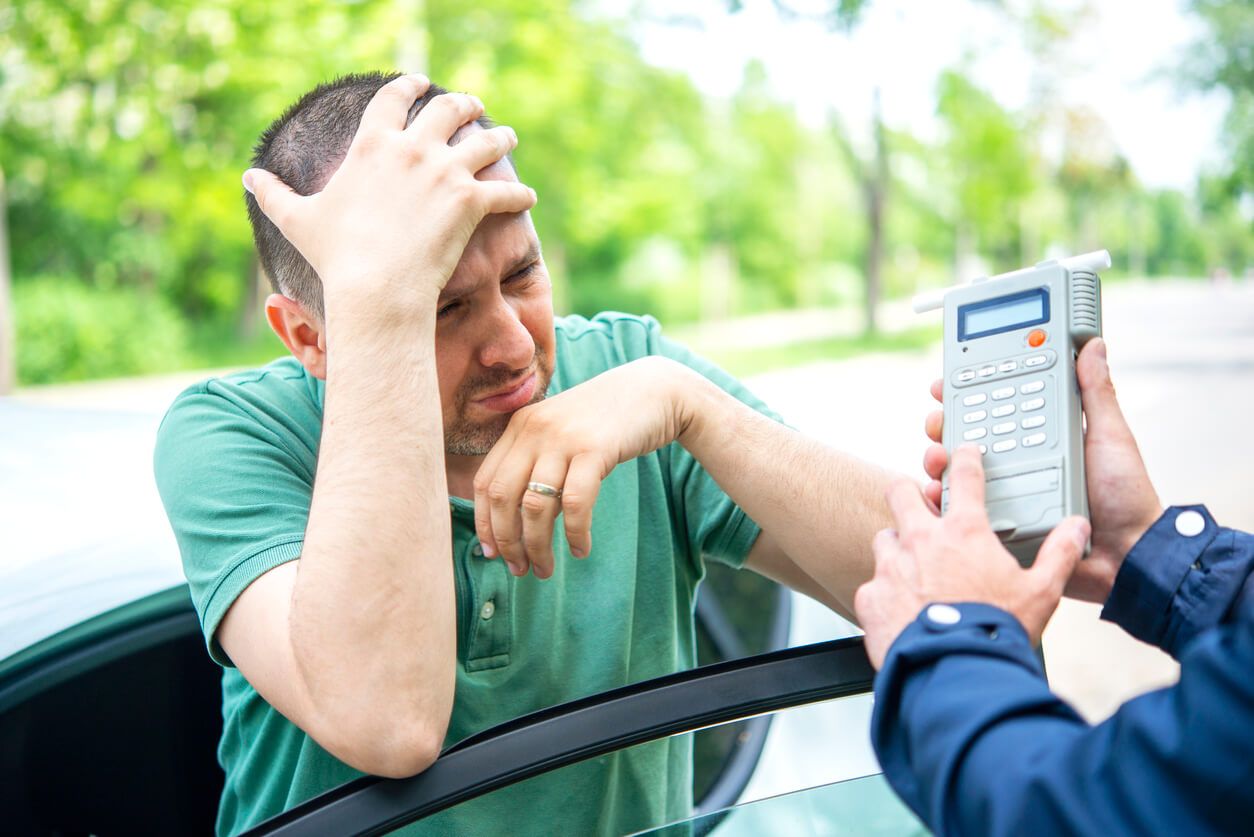
Portable breath tests are handheld devices used at the scene of a traffic stop to get a preliminary read on a driver's breath alcohol concentration. Unlike certified chemical tests, PBTs are not designed to produce court-admissible BAC evidence. They function as screening tools — giving an officer enough information to decide whether further testing is warranted, not enough to establish guilt.
__Key Features of PBTs__
1.Portability: PBTs are small, portable devices that can be carried by law enforcement officers in their patrol vehicles. This allows for on-the-spot testing during traffic stops.
2.Quick Results: PBTs provide rapid results, usually within a few seconds of administering the test. This allows officers to quickly assess whether a driver's BAC exceeds the legal limit.
3.Screening Tool: PBTs are primarily used as screening tools to establish probable cause for a DUI arrest. They are not as accurate or reliable as certified chemical tests and are not admissible as evidence in court.
4.Limited Accuracy: While PBTs can provide an indication of alcohol impairment, they are less precise than certified chemical tests. Factors such as environmental conditions and improper usage can affect the accuracy of PBT results.
Certified chemical tests and PBTs serve distinct purposes in a DUI case. Certified tests use regulated equipment and standardized procedures to produce BAC results that are admissible in court. PBTs are portable screening tools used roadside to assess whether probable cause exists for an arrest — they inform that decision but do not establish it.
Even certified tests, which are generally treated as reliable, are not beyond challenge. Proper administration requires following specific protocols, and any deviation may affect admissibility. An attorney who understands how these tests work — and what to look for when they are not conducted correctly — can identify weaknesses the prosecution may not anticipate.
__BAC Calculator: Estimate Blood Alcohol Content__
A BAC calculator estimates blood alcohol concentration — expressed as grams of alcohol per 100 milliliters of blood — based on the information entered. A BAC of 0.08, for example, means alcohol makes up 0.08% of a person's blood by volume. According to Indiana University's School of Medicine, alcohol typically takes 30 to 70 minutes to absorb into the bloodstream after consumption, and impairment tracks closely with that measurement.
These calculators rely on formulas that factor in sex assigned at birth, body weight, number of drinks, and the duration of drinking. That creates a meaningful limitation: validated estimation equations for transgender and non-binary individuals have not been established. Any result should be treated as a rough estimate, not a reliable figure — and never as a substitute for certified chemical testing.
__Important Points to Note__
- BAC estimates vary by individual metabolism, medical history, and food intake.
- Even if a calculator suggests a BAC below 0.08, drivers may still show impairment and face charges under Indiana Code § 9-30-5.
- Portable Breath Tests (PBTs) can guide police decisions on the road, but only certified chemical tests are admissible in Indiana courts.
An alcohol BAC calculator is best used for educational awareness, reinforcing how quickly levels can rise and how slowly they decline — on average, about 0.015% per hour. This underscores the risks of guessing and the need to avoid driving after drinking.
__Arrested for Drunk Driving? Contact Mo AlMahareeq Law Today__
Mo AlMahareeq, your DUI defense attorney in Indiana, understands how alcohol BAC calculators and chemical tests are used in court. For immediate guidance, call Mo AlMahareeq Law at (347) 889-4944 to protect your future and begin building your defense today.

Written by
Moawia K. AlMahareeq