
Criminal Defense in Indiana
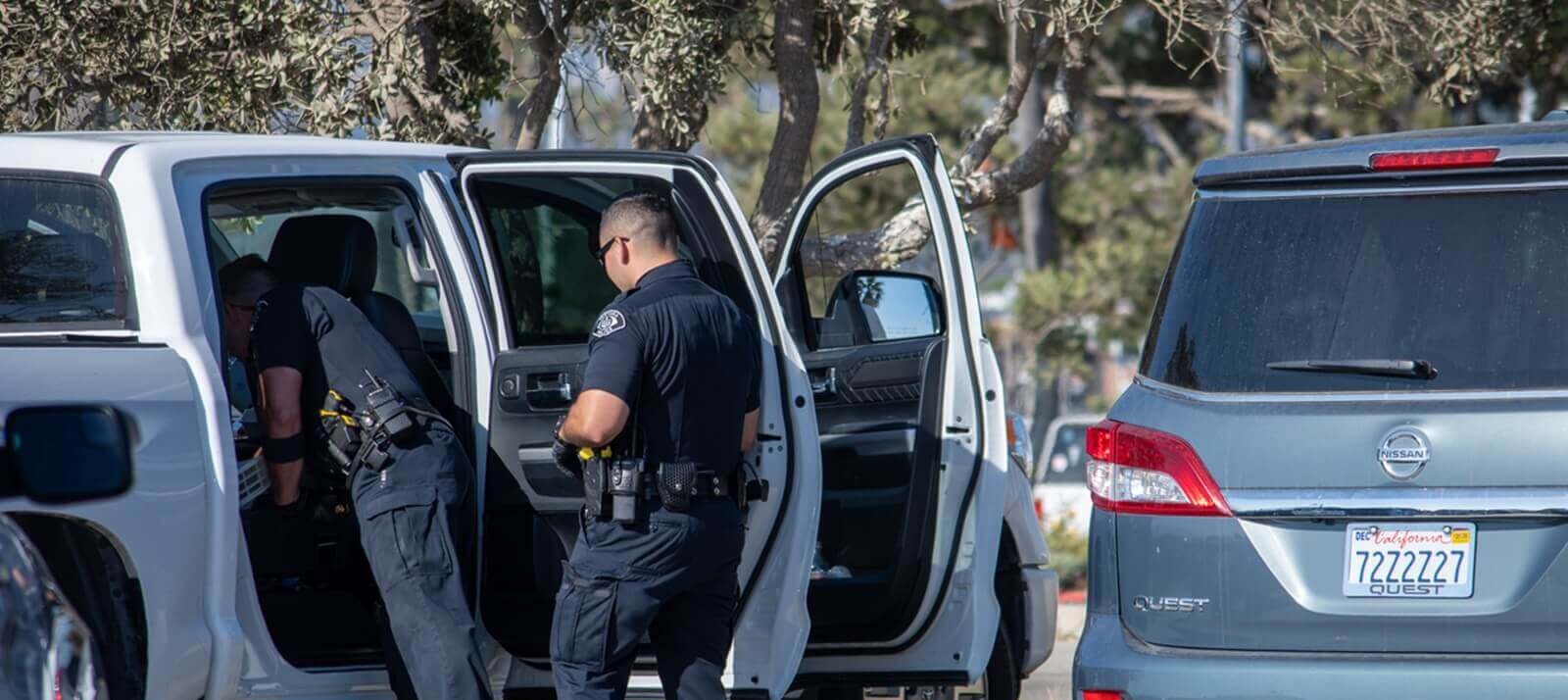
In Indiana, law enforcement officers generally need probable cause, valid consent, or a recognized exception to the warrant requirement to lawfully search a vehicle. Probable cause exists when an officer makes specific observations that would lead a reasonable person to believe the vehicle contains evidence of a crime. One of the most frequently cited justifications is the odor of marijuana. For more on the legal issues discussed here, see our Indiana criminal defense overview and How Does a Police Officer in Indiana Get a Search Warrant? guide.
In practice, this is one of the most common reasons officers give for searching a vehicle. Consider a situation where a store is robbed and the suspect leaves in a car containing stolen merchandise. A witness calls police and provides a description of the vehicle along with a license plate number. Officers locate and stop the vehicle shortly thereafter. Based on that information, a reasonable person would believe the vehicle contains evidence of the robbery, giving officers probable cause to search.
Under what is known as the automobile exception, officers do not need a warrant to search a vehicle when probable cause exists. Courts recognize two key factors: vehicles are inherently mobile, meaning evidence can quickly be moved or destroyed, and individuals have a reduced expectation of privacy in a vehicle traveling on a public roadway compared to a home. For these reasons, warrantless vehicle searches are often permitted.
That said, an officer's claim of probable cause is not beyond challenge. If evidence is discovered and charges are filed, a defense attorney can file a motion to suppress, requiring the State to justify the legality of the search. The court evaluates the information available to the officer before the search occurred. The search cannot be justified after the fact based on what was ultimately found.
There are additional circumstances where officers may search a vehicle. One common example is an inventory search, which occurs when a vehicle is towed. The stated purpose is to document the contents of the car to protect the owner's property and shield law enforcement from claims of theft. In reality, these searches are often scrutinized, as they can function as a workaround to conduct a search that might not otherwise be justified.
Officers may also search a vehicle if the driver or owner consents. Consent removes the need for probable cause or a warrant altogether. People sometimes agree to searches because they believe cooperation will help their situation, or simply because they do not object. Whatever the reason, once valid consent is given, the officer does not need to justify the search.
While there are additional nuances in this area of law, these are the most common bases for vehicle searches in Indiana. If you are facing criminal charges, it is critical to evaluate whether the search was lawful. A successful motion to suppress can result in key evidence being excluded—and in some cases, the dismissal of the entire case.
If you need immediate assistance, contact Mo AlMahareeq Law at (347) 889-4944. We are available 24/7 and ready to defend your rights.

Written by
Moawia K. AlMahareeq